This year’s Fierce Festival starts on 4th October and I’ll be taking part in two ways:
Live Art in 2113
From 11ish on October 4th I’ll be taking part in a discussion at the mac where we give our thoughts on what we think live art will be like in 2113
A gathering exploring the future and live art’s relationship to chance across various spheres in our lives as part of 2113, the Live Art UK Associated Gathering 2013. The public part of this day will involve self-organised clusters of conversations picking up on themes explored earlier in the day.
I’ll be focusing on internet culture, whatever the heck that means!
Paper Stages is a project which saw its first edition launched as part of the Forest Fringe in 2012, and has two elements. One is the physical artefact, a book of texts and instructions written to inspire the public into performing their own works without the need for a clearly defined physical space.
This nationwide edition of the book has invited contributions from a selection of artists including Birmingham based artists Code Lee Barbour and Antonio Roberts.
The Guardian also wrote a nice bit about the book on their website.
Pick up your FREE copy of the book from STRYX throughout the festival. Also, take an old camera ;-)
SuperByte 2013 happened a couple of weeks ago and I have to say it was one of the most exciting festivals/events that I’ve performed at! It was great to meet lots of old friends, make plenty of new ones and discover lots of new music! Thanks to everyone involved for making it happen again!
The festival made a short video recap, should you not remember how awesome it was ;-)
Conversation started Tuesday 17/09/2013 22:52 Erik H Rzepka
hey antonio! was at _ģ̶Ł̶1̶ɫ̶C̶ʮ̶_Δ┌┼- this weekend, was interested in ur video piece - how did you start as an artist and then get into making pieces like that one? what can you tell me about it thematically and how it relates to ur practice in general?
17/09/2013 23:10 Antonio Roberts Hey Erik!
The process of making that video was actually a bit of a weird one
hey! sweet, i’m intrigued
It started after I made the decision to use Linux exclusively in 2008. I then became interested in glitch art in 2009. Shortly after that I became interested in ways of generating randomness from something very orderly. I tried writing a script to do random edits of a video file and failed miserably. Fast forward to 2013 and my coding and Linux skills are much better so I decided to revisit the script.
In fact, mine is just a reinterpretation. So, I finally had a reason to use that script. If you read on my website you’ll see that there’s four different versions of this that each try to replicate the sound of a skipping CD.
And I think this relates to my practice because it’s me trying to be different (as always!). It’s very easy to just glitch a jpg and call it (glitch) art. I want to explore the concept of glitch, not just the visual aspect, which sometimes results in me emulating a glitch style, rather than causing an actual glitch.
I also like writing programs which assume the role of the artist. A lot of the work I do is the direct output of a program. Just to see what happens when more control is handed over to a different set of rules
so would you say each of your projets is interested in re-asking the question of what a glitch is, taking it to a new space? how in general does that fit with programming/code? also, what were you doing pre-2009 before you got into glitch (and maybe what got you into it)
I think glitch (art) is such a broad subject that defining it isn’t really possible. It encompasses randomness, generative art, mistakes, errors, forced errors, hacking and so much other stuff which each have their own offshoots and sub genres. So, I don’t really want to get an answer to “what is a glitch?” but I do want to explore how its concepts can influence other genres and methods of working, which is why I agreed to write the foreword for AlphabeNt
In that book you have two very talented designers/illustrators - Drew Taylor and Daniel Purvis - ditch all of their precise training to see how a loss of control can influence their practice
And so how can it influence other areas etc. For example, could it go into writing, dance, composing etc (yes - and it’s already been done in various ways)
Shakespeare.txt.jpg by Tom Scott
nice man i really connect with a lot of this… maybe yoou can show me a few examples of types of projects you’ve done at this point, that maybe show the variety of places in which you’ve taken the glitch concept etc
Comic Sans Must Die: A way to make something better through reducing it gradually to nothing - Iterative design that is degenerative. And I hate Comic Sans!
yeah this is great! you seem to like a kind of textual/technical minimalism. What draws you to that type of approach vs a more chaotic “glitch” style?
Chaotic stuff gets a bit repetitive after the 9000th time
i see - so being overtly repetitive in some way “addresses” that?
By repetitive I mean that I’m just so bored of seeing datamoshing and jpg glitches. I know that to those doing it it will be new to them, and so I support their initial explorations into glitch art. But for me, as a viewer and curator, I grow tired of it, especially when there’s little context to it. For example, glitch porn. Although that’s a whole other discussion right there!
The closest I’ll ever get to doing glitch porn
i do see what you mean… i might be partly guilty of that haha, that style hehe but i def agree with the “oh here’s a glitch technique” and it all looks hte same etc - yawn
I don’t think less of anyone that does it - I do it myself - but it’s all about context and why/when to use it
do you find in minimalism though an inherent repetitiveness - almost an aestheticization of it? i say that in the best way there’s something interesting about how it plays the technical reproduction game explicitly. Take Donald Judd - his blocks - kind of reproducing the identical products of industry
Untitled by Donald Judd
instead of say, the “personal” expressionism of a pollock, he kinda says, this is our world, technical garbage, “aestheticizing” or making an art practice out of repetition
Well, all of what I and many glitch artists do is process-based. So yeah, repetition is a big part of it
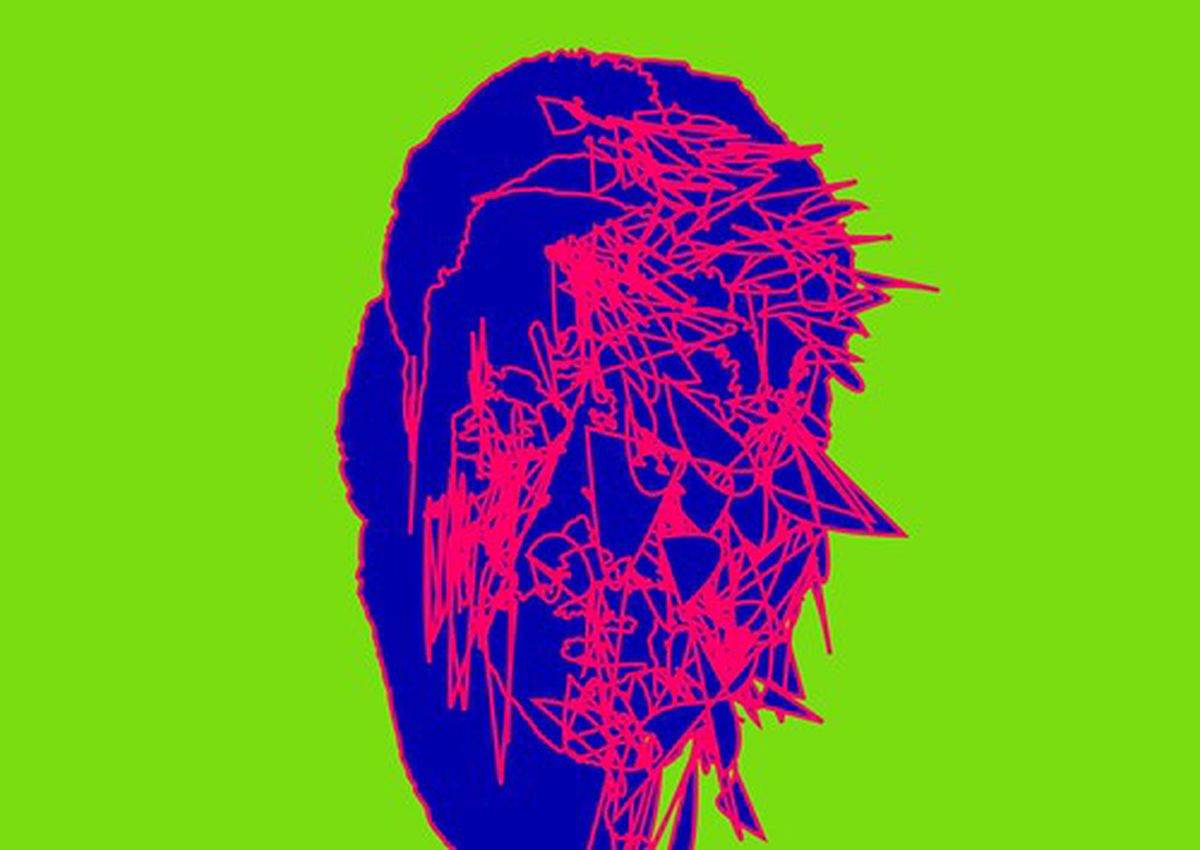
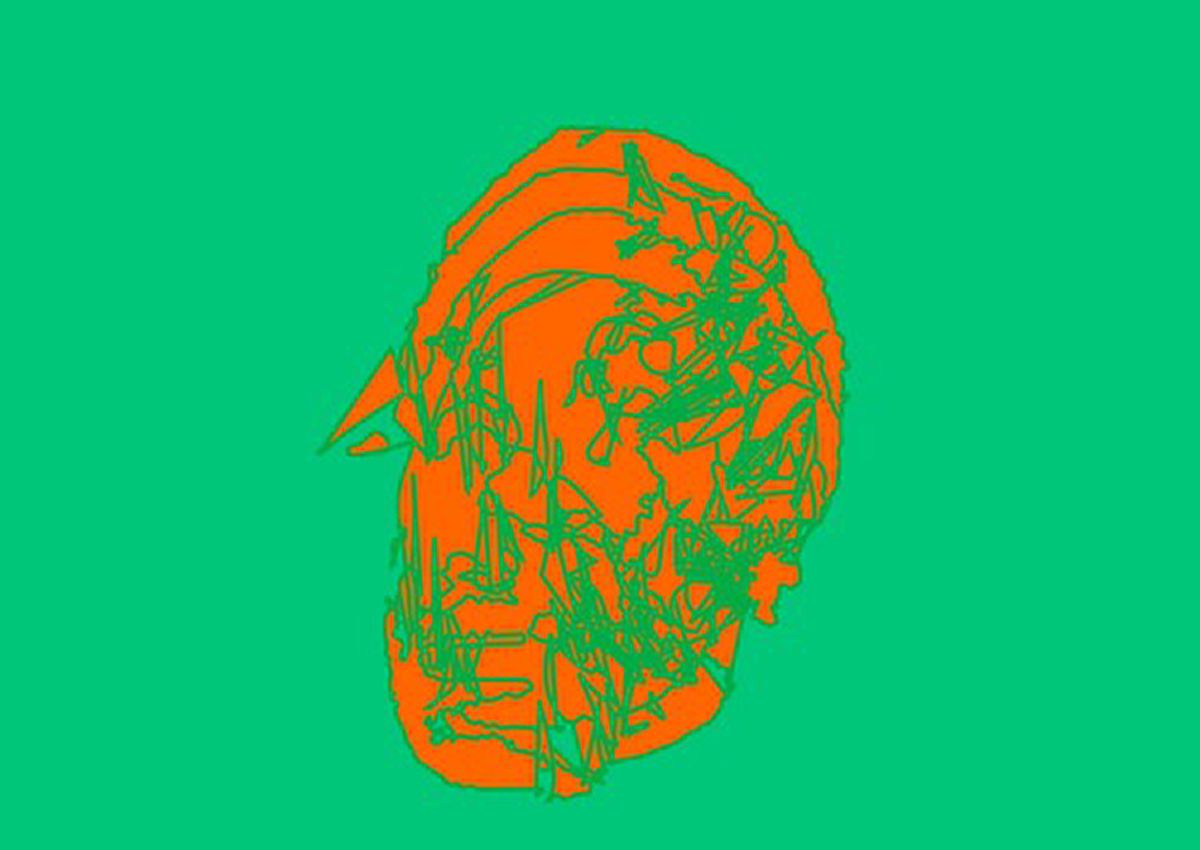
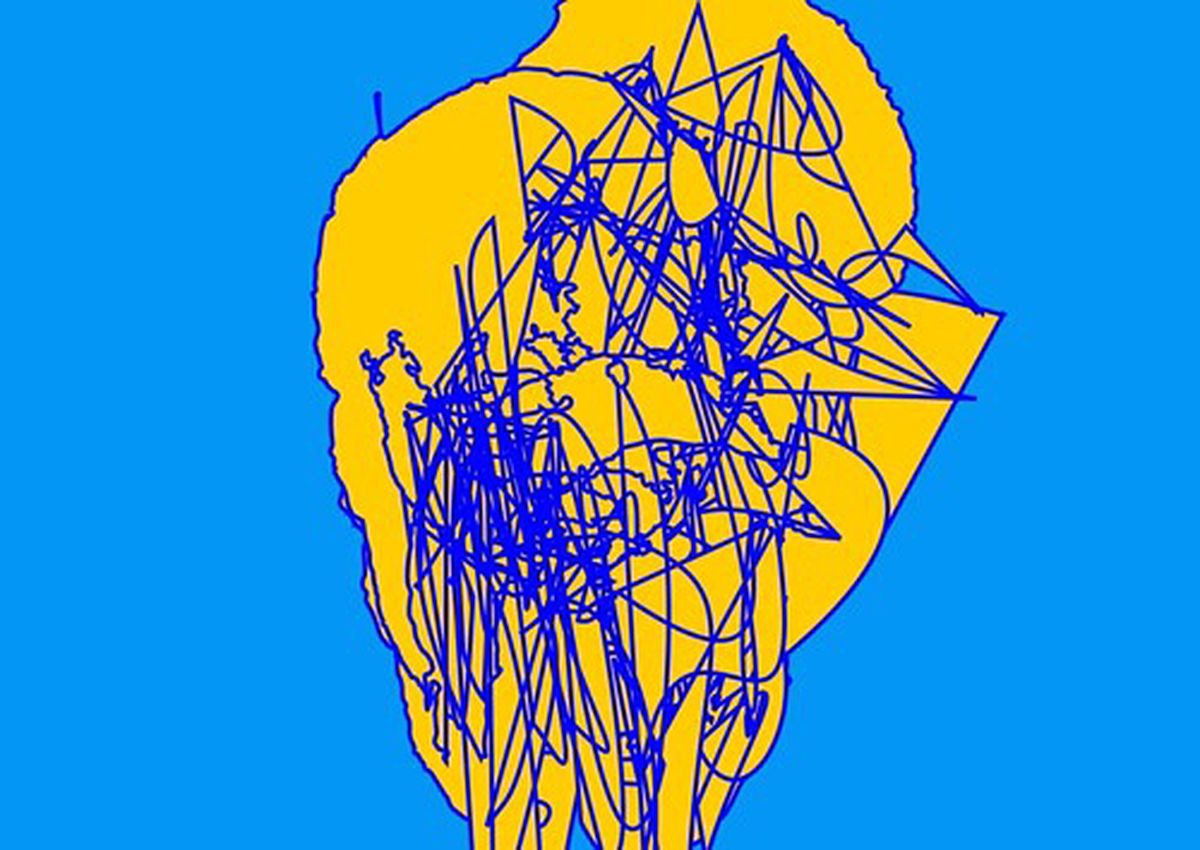
A lot of the time I’m less interested in the actual output, more the process behind the work. So, I like glitching svg files because the process of glitching them is easier to comprehend and manipulate than a jpg. Or: I can write xml, I can’t write binary
i dig it man don’t hear too much about using svg - but as you said, there’s so many other fomrats!! why do the same crap - for me i’ve also ventured into pdf, swf, mesh file formats etc - so many places to go really - we need more ppl probing those boundaries for sure!!
I’d be interseted in seeing your file format explorations!
I’ll be showing some of my oldest pieces, which focus more on computer generated imagery, alongside some newer pieces that explore hardware-based imagery. If I can stay awake till 4am I’ll be doing a short video introduction too! If you’re in LA get yourself over to it.