Blog

Black Hole Club | Digbeth First Friday, 4th March

Black Hole Club will be returning on 1st March and will initially run until 20th September 2016. By way of reintroducing the year ahead on 4th March some of the members will be presenting work as part of Digbeth First Friday.

bhcmarch

The Black Hole Club returns with an experimental night of organic, chemical and synthesised actions exploring art and science. The artists riff on explorations including the psychological effects of colour on the emotions; artificially created personae ; gender role play and chemical processing; organic performers and machine vision; chip synthesis – hijacking Microsoft devices in the name of art.

The night will feature new and existing work by David Checkley, Michael Lightborne, Ollie Macdonald-Brown, Jaanika Okk, Kate Spence, Leon Trimble and Sarah Walden. It’s also a chance to find out more about the upcoming programme that I’ve been, er, programming.


Evasive Manoeuvres

During my 2016 Fellowship at Birmingham Open Media I will continue my collaboration with Lucy Hutchinson to further the work we have been producing in response to the growing surveillance culture. We will be devising creative interventions which aim to circumvent invasive surveillance technology.
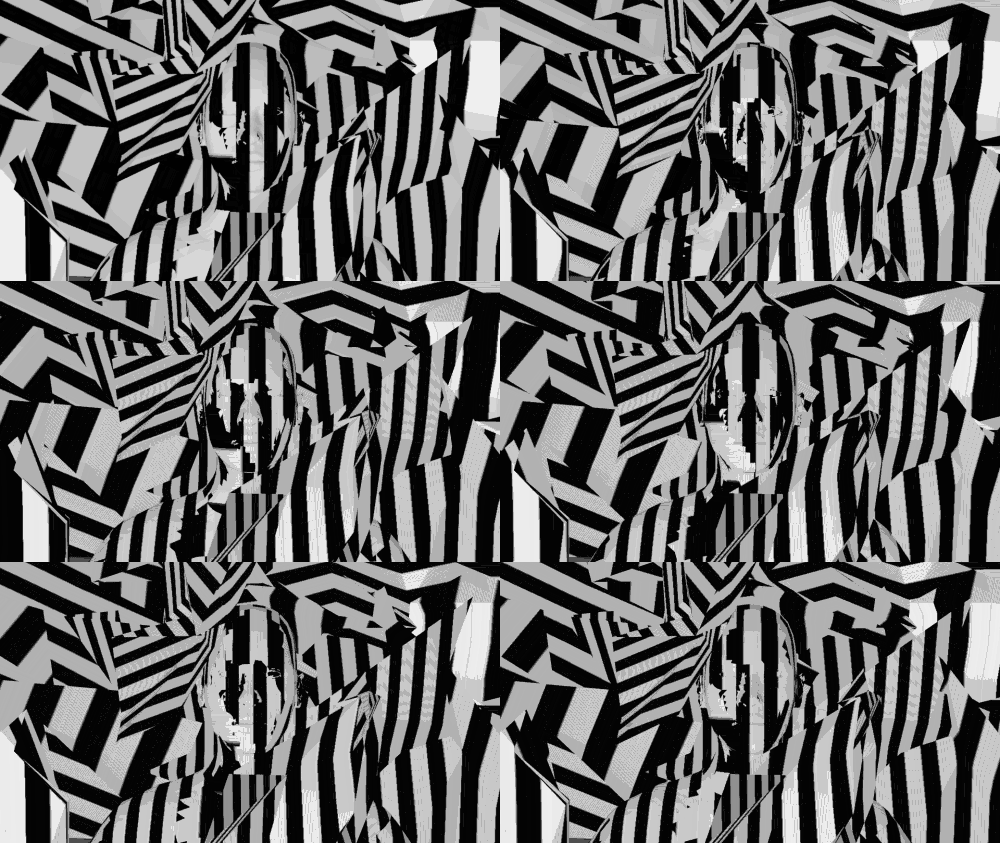
evasive

These interventions will take a variety of approaches and will not be limited to purely hardware/software based response. In one such intervention we will be taking inspiration from the work of artists such as Adam Harvey and Zach Blas and develop a series of masks that can be worn to obscure faces from these cameras whilst making a political statement.

This project came about through several events. For me interest in this area started in 2015 when I curated the Stealth exhibition at Vivid Projects. This exhibition featured works by six artists that produced work in response to surveillance culture. This included a font by Sang Munn for circumventing text scanning software, a personal drone system by Joseph DeLappe and a film made entirely of CCTV footage by Manu Luksch.
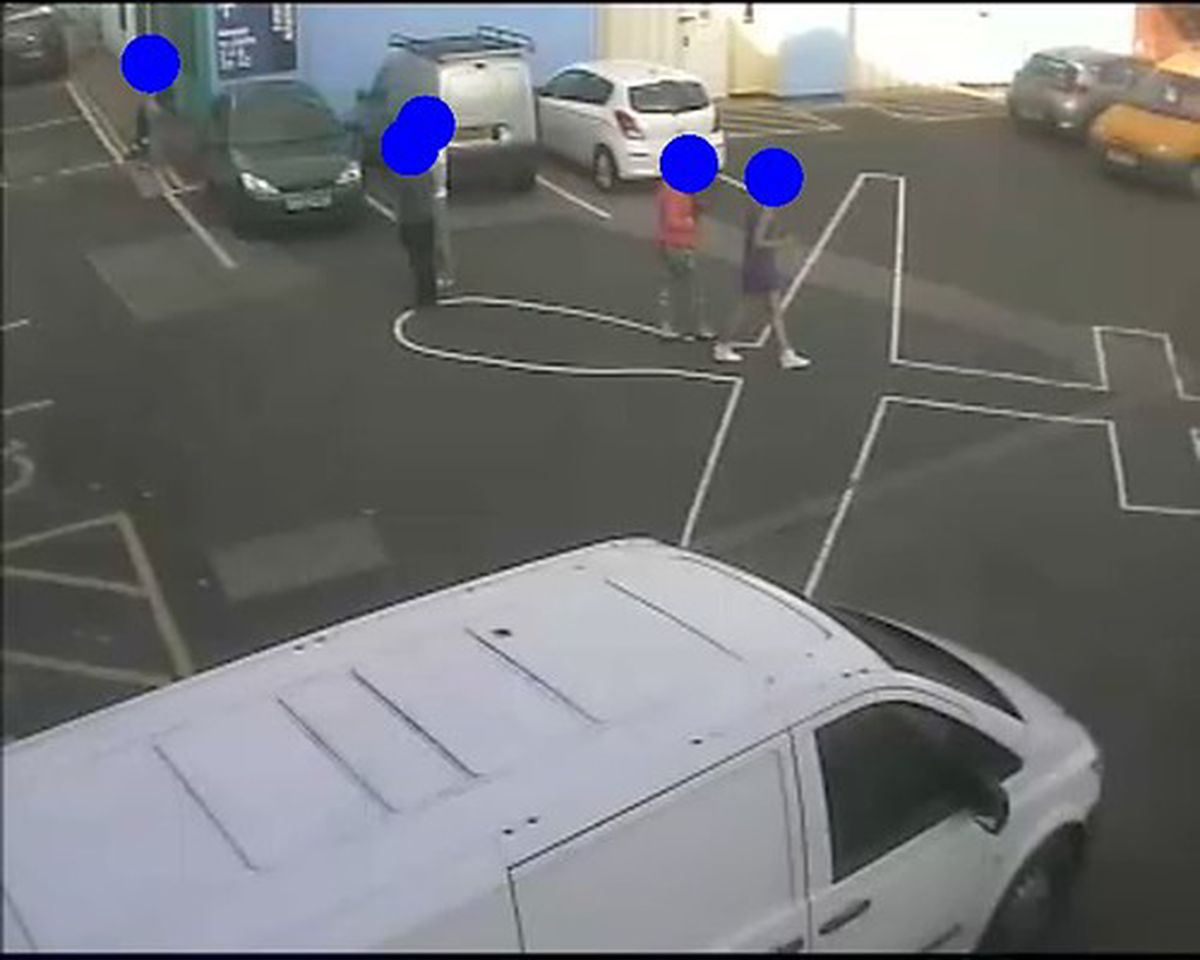
Stealth

For Hutchinson work in this area began with the This Is What A Feminist Looks like and Paying Artist artworks produced in 2015. These works used facial recognition software together with face-obscuring masks to make political statements. Since 2016, she has been undertaking a residency at Coventry University where she is using the “Media Eyes” at Birmingham New Street station as a focal point to explore the effect of surveillance on behaviour, particularly focusing on themes of participation and consumption.

This is What a Feminist Looks Like

During the fellowship we will bring together our skills in programming, photography and printmaking and collaboratively examine the increasing collection of audience metrics by surveillance technologies for advertising uses. We intend to further this research by considering resistance scenarios to these technologies and the application of this software into other areas such as threat recognition, art galleries and work spaces.


Introducing Digital Art, 16th March

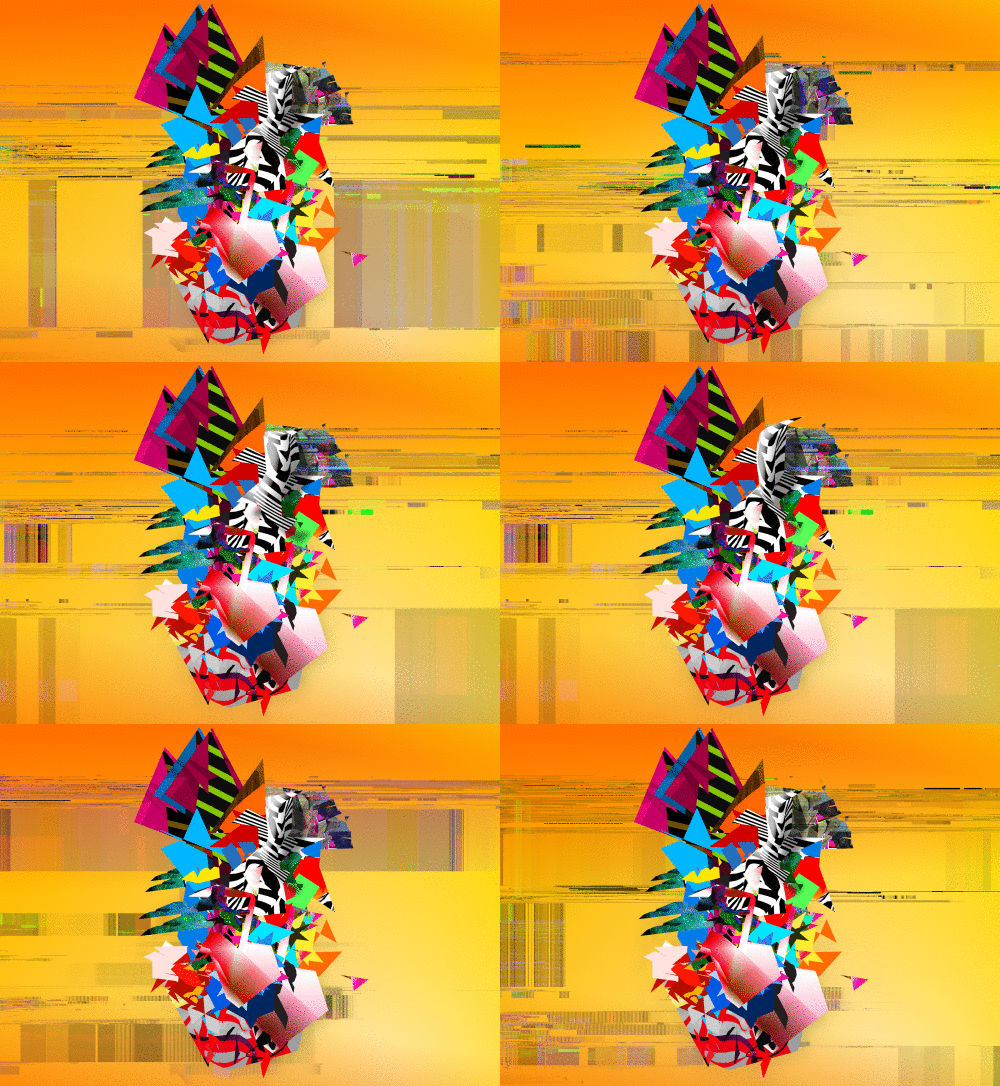
On 16th March I’ll be doing a talk introducing digital art (with a focus on glitch art, naturallly) at RBSA Gallery.

introducingdigitalart

Antonio Roberts NWA is well-known in the digital art world and has presented his pieces at several prestigious institutions across the globe, including Tate Modern. His friendly and engaging talk will include video clips of examples, offering a fascinating but accessible introduction to contemporary digital art. It will also introduce Antonio’s ‘Glitch Art’, which is a form of digital art that exploits mistakes and glitches in programming. Antonio became a Next Wave Associate of the RBSA after taking part in the Next Wave exhibition in 2014. Next Wave was a new project to help encourage emerging and early career artists. Since his participation in Next Wave, Antonio has helped the Society with a sound installation in 2014 and provided valuable advice on improving technical facilities for artists at the Gallery.

Tickets are £5/$7 and can be booked ’ere


Permission Taken at University of Birmingham, 2nd March - 30th May

I’m happy to announce that the second part of Permission Taken will be taking place from 2nd March - 30th May at the Bramall Music Building at the University of Birmingham

ptanimation

This exhibition displays work by Antonio Roberts created during his 2014/15 artist-residency at the University of Birmingham. Roberts focused on issues surrounding copyright, permission culture and art: issues which become ever more pertinent as online communities become more prolific and harder to police.

The exhibition includes gifs and videos created by Roberts and other artists using images from the Research and Cultural Collections. Whilst his practice focuses on digitally reusing and remixing archive material, Roberts uses his work to encourage audiences to engage with issues such as the ownership of art and intellectual property rights. In doing so, he highlights the possibilities of a future where Free Culture and Open Source ideologies are adopted.

The exhibition features work originally shown at Birmingham Open Media alongside a reworking of Dead Copyright made for this exhibition. Alongside the exhibition there will be a series of workshops as part of the Arts and Science Festival.


Common Property in Studio International

On 14th February Studio International published a feature written by Nicola Homer about the soon-to-end Common Property exhibition at Jerwood Space:

commonpropertystudioint

Common Property is the 22nd in a series of Jerwood Encounters exhibitions. Since 2008, the majority of the programme’s shows have been curated by artists, who have contributed insights into areas in which they have concerns. This year, Hannah Pierce, an artist and curator, has brought together six works by emerging and mid-career artists, to explore the issue of copyright in the digital age. The exhibition title is a reference to American artist Sol LeWitt, who said in 1973: “I believe that ideas once expressed, become the common property of all.”

This subject of copyright is a timely one. In October 2014, a change to UK legislation came into effect, allowing the parody of copyrighted works, on the premise that the parody meets two criteria: to evoke an existing work, while not rivalling the original, and to be considered humorous. Although the law is similar in Belgium, in January 2015, a Belgian court found the Antwerp-born artist Luc Tuymans guilty of plagiarism. His painting, A Belgian Politician (2011), in which he had used a photograph of the politician Jean-Marie Dedecker taken by Katrijn van Giel for a Belgian newspaper, was ruled too humourless to be a parody.

[…]

In the third commissioned piece, Transformative Use (2015), which is derived from a Disney character, artist and curator Antonio Roberts – like Knox in her painting Reproduction – displays an interest in the terminology that surrounds copyright. In addition, he exhibits a new series of brilliantly coloured video works that derive their titles from songs that have been the subject of court cases involving copyright infringement.

Read the full feature here. This exhibition’s been gettin’ quite a bit of a attention…