tag: Sonification

Elephant Magazine - Copyright as Medium

Issue 30 of Elephant Magazine was released in early March and, in a similar vein to issue 27, focuses on copyright:

CREATOR: gd-jpeg v1.0 (using IJG JPEG v62), quality = 82

The first copyright law, made in the eighteenth century, granted artists the exclusive right to control the copying of their original creations for 14 years. Too brief a period? Perhaps, but by the beginning of the twenty-first century, copyright’s term had grown to cover the life of the artist plus 70 years – which means that Picasso’s Les Demoiselles d’Avigon will remain protected until 2043, 136 years after it was completed. Too long, surely?
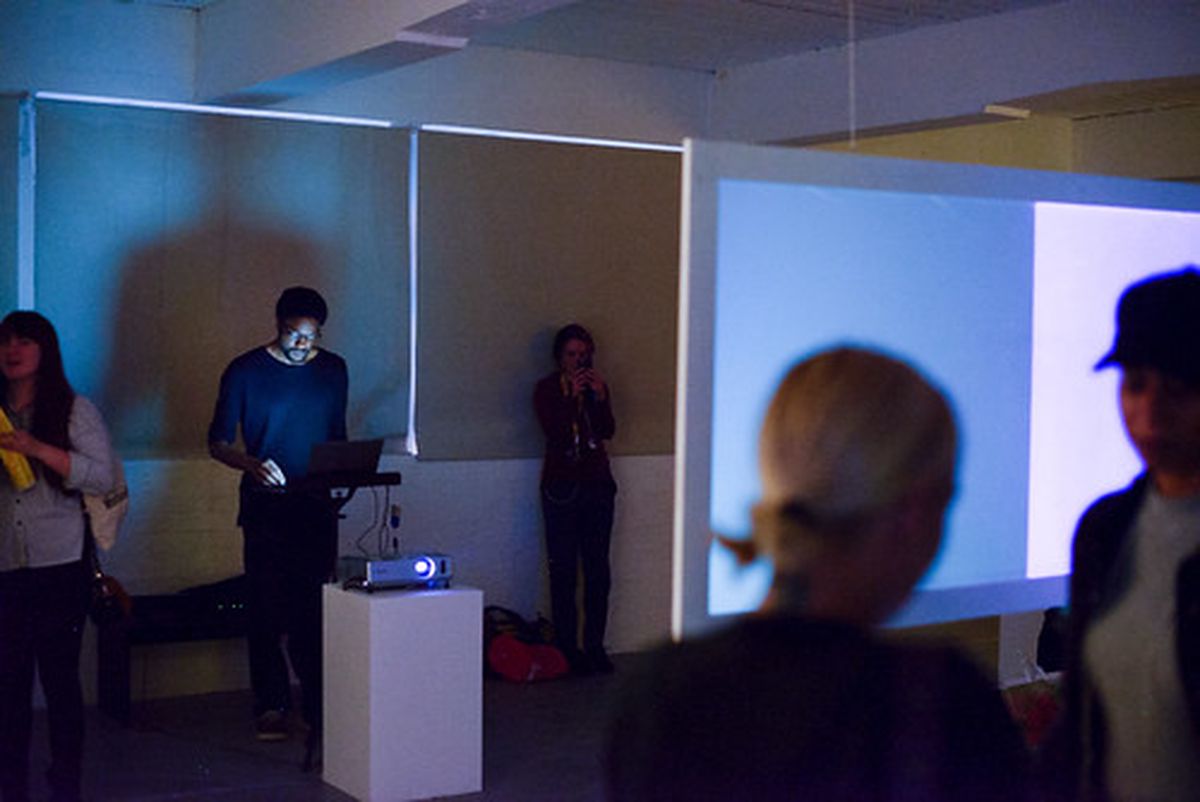
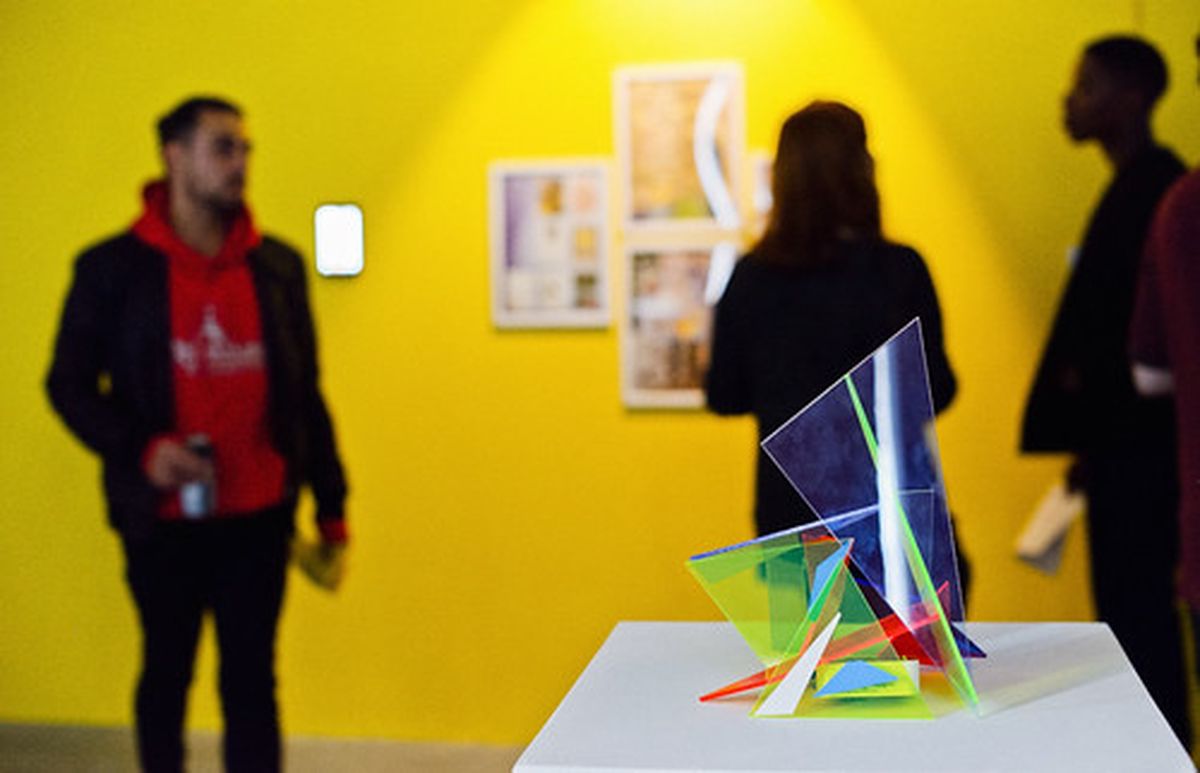
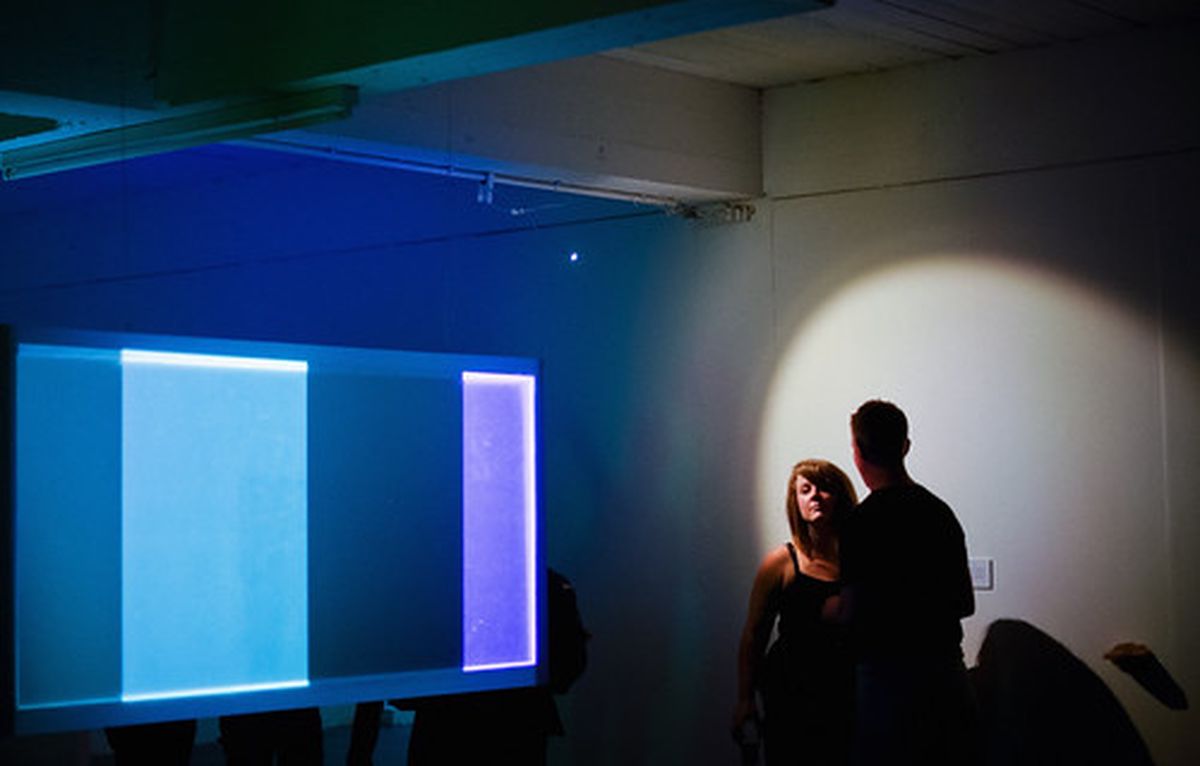
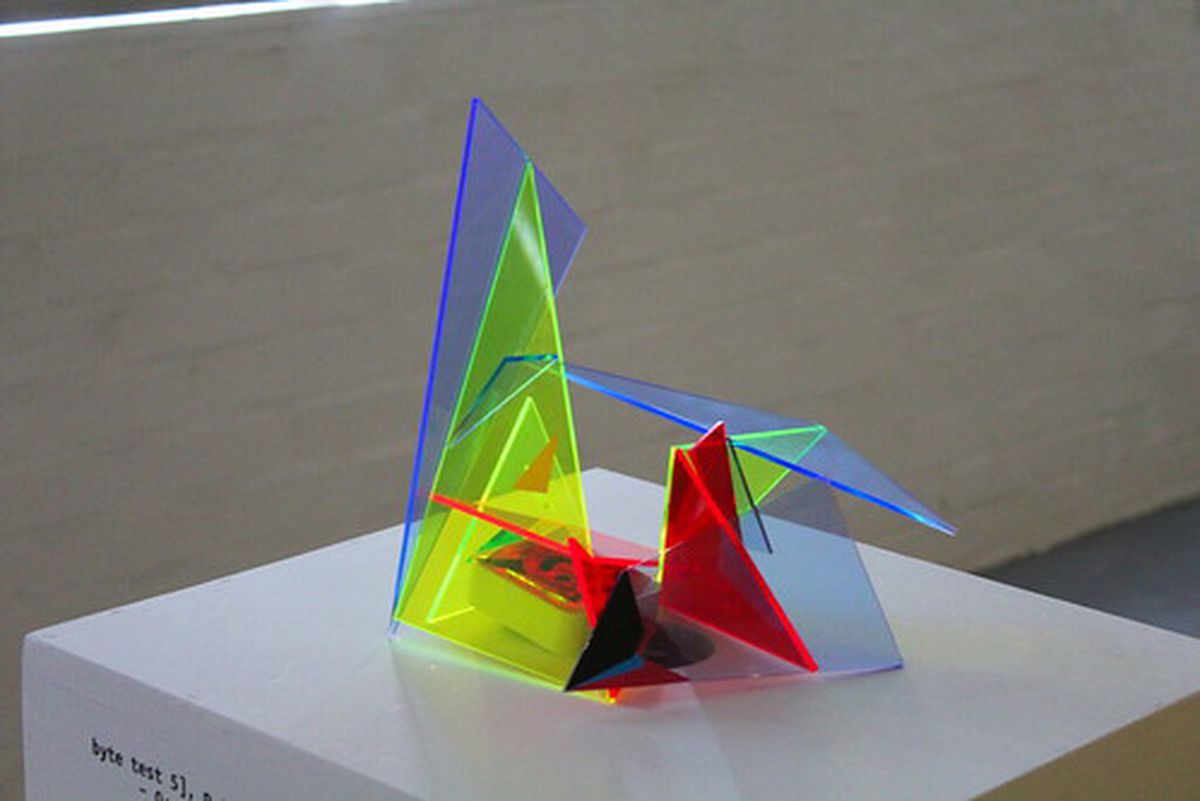
Short Circuit - Terminal 1 - 3rd September - 29th October

From 3rd September (my cakeday) to 29th I’ll have some newly commissioned work on show at Short Circuit at Stryx.

shortcircuit

Short Circuit is an ambitious international touring group show devised by Independent Curator, Aly Grimes, and consisting of nine New Media artists and collectives in an attempt to re-assess the archetypal framework of a travelling exhibition. It proposes a new experimental model of display realised in three different locations across Europe to include Birmingham, Copenhagen and Venice. The project’s structure aims to investigate new ways that exhibition spaces can present touring shows in the Digital Age and will manifest as a highly experimental research project susceptible to failure. It might glitch, trip, malfunction or ‘short circuit’.


Thinking Out Loud launch, 14th July

On 14th July I traveled back to London (I might as well live there) for the launch of Thinking Out Loud at the Open Data Institute.

‘Thinking Out Loud’ is the fifth Data as Culture art exhibition at the Open Data Institute. The exhibition is built around the practice of the 2016 ODI Sound Artist in Residence, Alex McLean, with a group of artists, designers, makers and musicians that he has collaborated with. Openness and processes of making – where any end results are left partly undone – are at the heart of many of the projects on display. The exhibition draws connections between the ways in which humans have captured, encoded and distributed data, and made it meaningful through pattern throughout history. From pre-Columbian Quipu and the ancient art of weaving to computer software environments, it introduces us to creative notions of code, and the ways in which it can carry both language and thought.


TRANSFORMERS: A Code and Data-Driven Animation Screening, 6th February

On 6th February I’ll be part of the TRANSFORMERS screening happening at the College Art Association Conference in Washington DC.

sonification_caa

Computer programming is an often invisible force that affects many aspects of our contemporary lives. From how we gather our news, maintain our libraries, or navigate our built environment, code shapes the interfaces and information they connect to. Artists who work with these languages as material can critically excavate code and its effects. The works included in this screening include animation and video that are produced through the use and manipulation of code and/or data.


Common Property opening

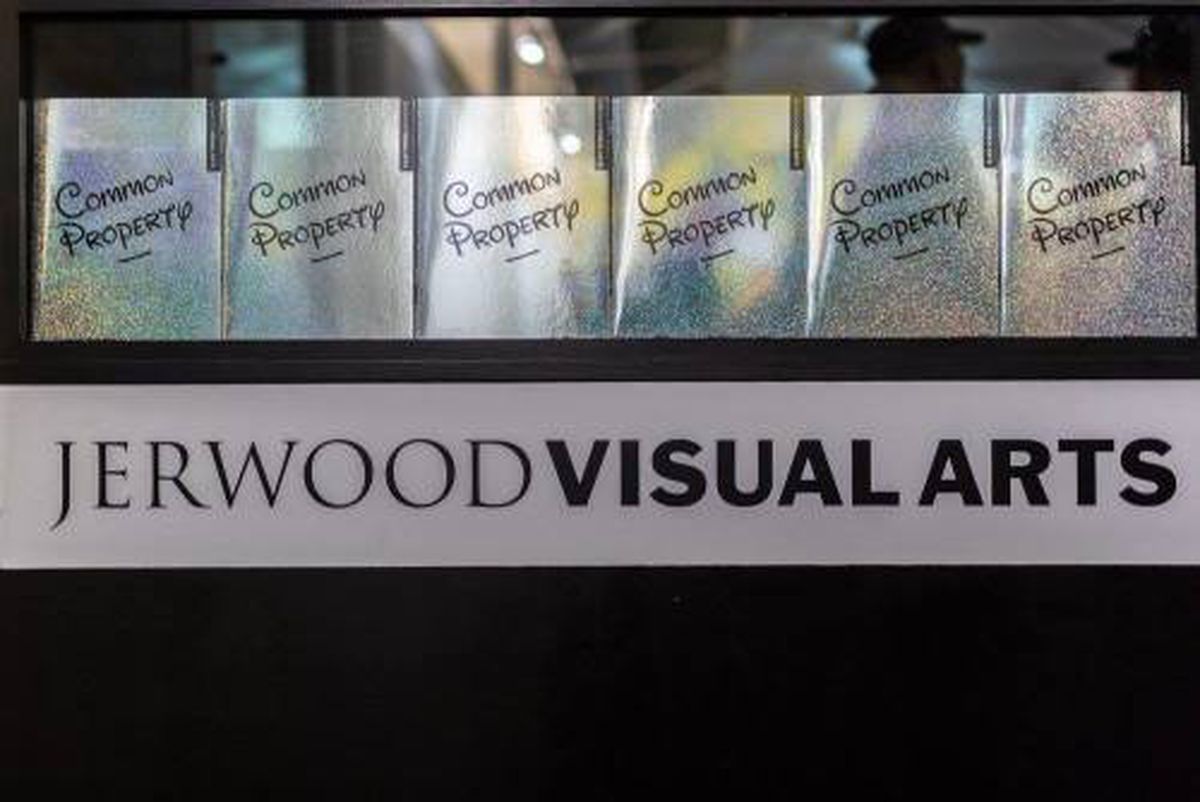
Common Property held its opening event at Jerwood Space on 14th.

commonpropertyopening_3

Jerwood Encounters: Common Property seeks to demonstrate how artists engage with and relate to copyright through the work of six emerging and mid-career artists, including three new commissions. The exhibition and accompanying events programme seeks to generate new conversations about how copyright is currently impacting the way visual artists make and distribute their work, and demonstrates how artists are challenging the limitations of copyright through their practice.


OSP Print Party

For OSP’s Print Party on October 18th I made a bunch of new software and modified some old software that did sonification of text, bitmap, and vector images. I saw it as a way to differently engage with the usually static images featured throughout the festival. Here’s some of the visual output from a Processing sketch that, when combined with Pure Data, would redraw an SVG and convert it to sound:


Pixel Player

Back in June 2014 I wrote how that in 2013, after visiting The Cyborg Foundation in Barcelona, I became interested in exploring sonification. My experients at that stage culminated in the production of the Pixel Waves Pure Data patch, which allows the sonification of images based on the colour/RGB values of individual ppixels.

I spent the following months building and refining an update to the Pixel Waves software, with a focus on allowing multiple images to be played simultaneously. In a way, I wanted to create a sequencer but for images. After many months I’m happy to formally announce the release of the Pixel Player.


Sonification Studies

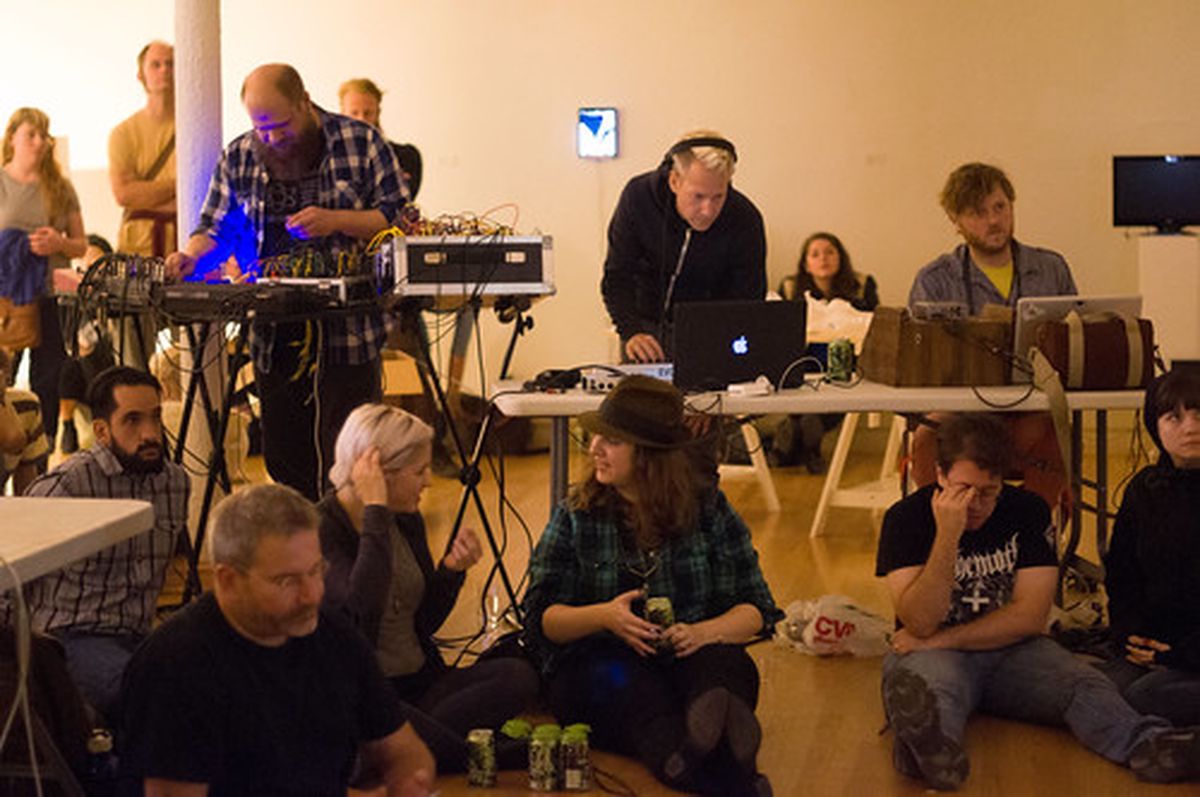
On 19th September I did a Sonification Studies performance at glitChicago. I had previously done a demonstration/performance of this at Relearn in Brussels, Post-Modern Plant Life in Leamington Spa, and at September’s Digbeth First Friday at Vivid Projects, but the glitChicago was what I consider to be the first proper performance. A culmination of my reserach, if you will.

The focus for me at this performance was to get a sense of rhythm. Previous performances experimented with using found image sources, which resulted in a somewhat chaotic performance. For the glitChicago performance I composed a series of images with repeating patterns.


Sonification Studies/Pixel Waves

In October 2013, whilst visiting Barcelona for the performance at Mutuo Centro De Arte for The Wrong, I had the honour of meeting Neil Harbisson and Moon Ribas, collectively known as The Cyborg Foundation.

Throughout the evening we began to see some similarities in how we interpret things we see and hear, as well as how we handle data. For example, in Waiting for Earthquakes, Moon Ribas uses a device attached to her wrists to receive live data of earthquakes around the world. This data is then interpreted in a live dance performance. Neil Harbisson was born with Achromatopsia, a condition that only allowed him to see in greyscale. In order to see, or at least perceive colour, he had an “Eyeborg” implanted, which translates colour frequencies into sound frequencies.


It's Just Noise!

As readers of my blog will know by now you can easily import any data into audacity and play it as audio. However, most data that you’ll import and then play will just turn out as noise. That is simply because there’s too much noise in the image i.e. too many colours and too much data. So, if you reduce the amount of colours and data in theory you get something a little bit more pleasing to the ear. Experimentationing time!